

How to Create and Sell Digital Products for Passive Income is one of the best ways to generate enduring and low-effort income streams in the digital world. If you are just starting out on your digital products journey as a content creator, freelancer, or someone looking to ditch the 9 to 5, then digital products have the potential to make you a lot of money, since the growth is scalable. This blog will highlight 19 tried and tested digital products, ranging from ebooks to online courses, and suggest the best-selling platforms. So are you ready to make money with your skills? Let us get started.
What Are Digital Products?
1. Definition and Explanation
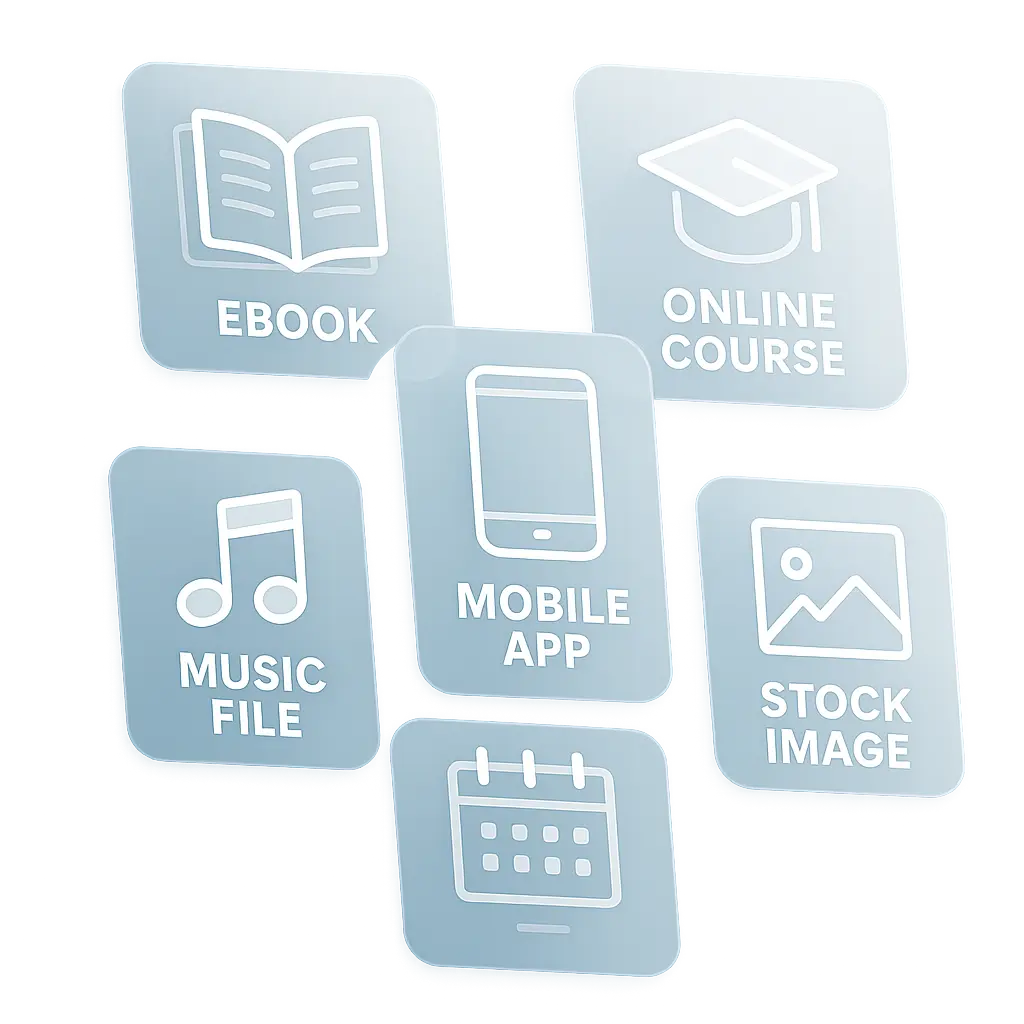
Digital products can be categorized as those that do not have a tangible form and are bound in a digital medium or format. They can be sold multiple times without the need to restock inventory. This includes ebooks, courses, software, and design templates. All of these products exist in a digital format, and there is no need for tangible creation.
2. Research Your Audience
Use Reddit, Quora, or Google Trends to verify whether your audience has an interest.
3. Make The Digital Product
Use Canva for designs, Notion for templates, Loom for videos, and Scrivener for ebooks to illustrate your concept.
4. Select A Marketplace for Selling
You can sell on your website with Shopify or WordPress + WooCommerce, on Etsy, or on Gumroad and Udemy.
5. Design Pricing and Licensing Options
Create unlimited, multi-use, or single-use licenses and tiered pricing to suit varying wallets.
6. Set Up Digital Customer Support and Query-Answering Systems
Mailchimp, ConvertKit, and Zapier can help you email and deliver your products automatically, improving your customers’ experience.
15+ Digital Products With Profits And Where To Market Them
1. E-books

E-books stand as one of the most classic and rewarding digital products to create and sell on the internet. The self-publishing sector is predicted to expand by more than six percent annually, and Amazon Kindle is already seeing millions of readers daily. The industry is growing, and the opportunity is there.
Ebooks are convenient as they do not require any physical infrastructure (like printing or shipment). Consisting of a written piece of content that is educational, inspiring, or instructive, electronically formatted, and shared. Ebooks are perfect examples of low-cost, high-return digital products.
Some examples of how to create an effective ebook include
- Ebooks with clear and actionable steps (ex, “Freelancing in 30 days: step by step handbook”)
- Instructional cookbooks
- Self-guided and self-evaluated Traveling books
- Mindset and self-assistance guides
- Business and advertising techniques
- Subject matter instructional books (ex, animal care, child care, style quizzes)
You do not need to be a professional writer to publish an ebook. You only need to know how to create actionable steps with valuable insights.
Examples of Niche Ebooks With Potential Profit:
- Embracing a Minimalist Lifestyle
- Guides for Side Hustles
- Tips on Productivity
- Digital Detox or Screen-Free Parenting
- Advice on Relationships
- Freelancing for Beginners
- Traveling on a Budget
2. Casual Learning Materials and eCourses
Training and casual study is a blossoming field that is expected to reach a value of surpassing \$203 billion by 2025. eCourses and eLearning materials tend to be a consistent offering to learners and definite markets for writers and creators, as people are looking to skill up from the comfort of their homes, or are prompting and emerging into the new world of online learning.
Online teaching has become a common way to share knowledge, and doesn’t require a teaching certificate. What is important is knowing a specific area and a targeted niche audience.
Examples:
- Courses are a common offering on the main online learning platforms such as Udemy, Coursera, or Thinkific
- eLearning study materials such as guides, flashcards, and workbooks
- Certification programs
- Masterclass-style lectures and workshops
Sought After Topics:
- Fitness And Exercise Training
- Photography
- Computer Programming
- Marketing on Social Media Platforms
- Career Growth Management
Available Software:
Thinkific, Kajabi, Podia, Teachable, LearnWorlds, Udemy, Mighty Networks
3. Calendars, Journals, or Planners
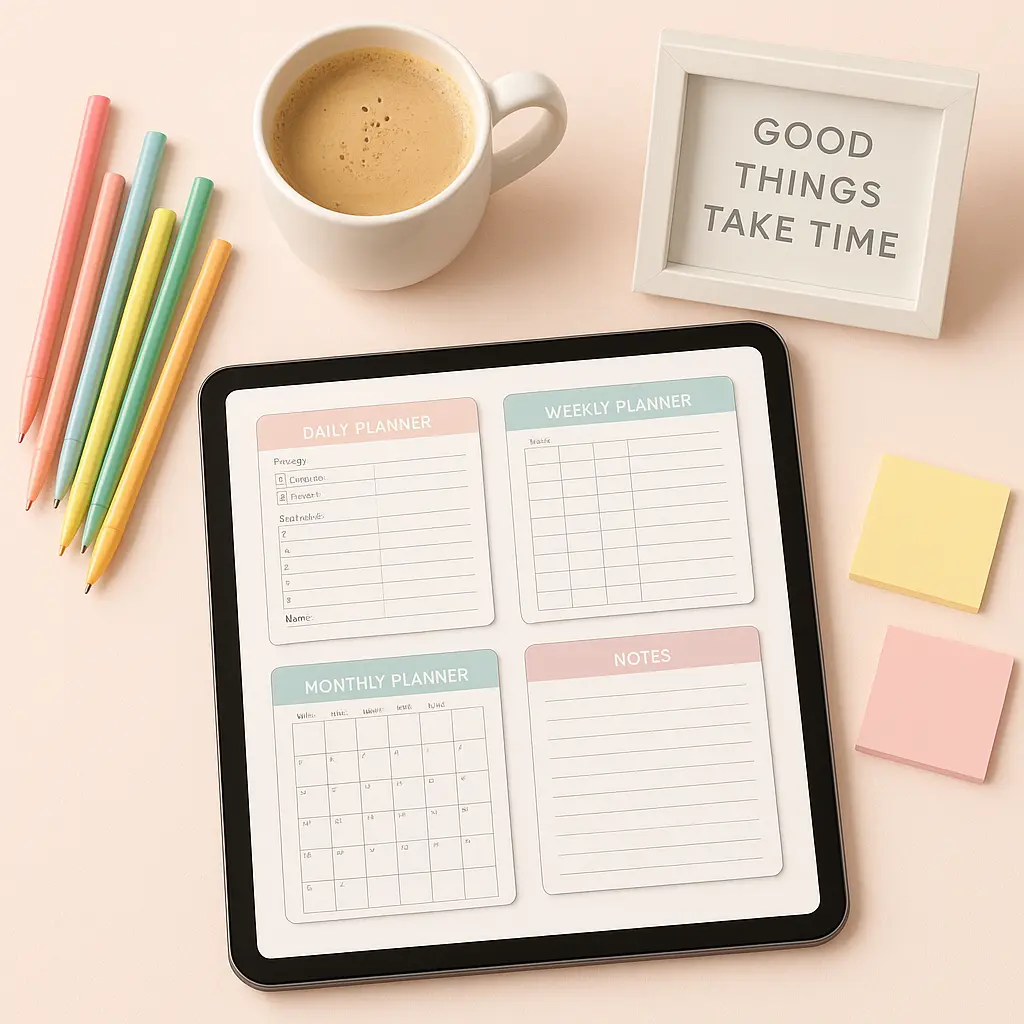
Journals, planners, and calendars have become one of the fastest-growing digital tenders to be offered on Etsy and Creative Market. As more and more people tend to be interested in self-improvement, planners, wellness journals, and calendars for daily goal trackers are necessities in their day-to-day lives.
Printables are PDF files that can be printed and are meant for self-use. Daily schedules, fitness trackers, budgeting sheets, gratitude journals, and meal planners are all examples of printables. Users never have to worry about inventory, as they are able to sell and create printables an infinite number of times after initial creation.
Additional examples of printables:
- Monthly, weekly, and daily planners
- Fitness, reading, and finance gauges
- Baby shower and wedding invitations, along with shower games
- Children chore charts
- Worksheets for homeschooling
- Freelance and entrepreneur business worksheets
Niche and subject ideas for printables:
- Planning for mothers and tracking for infants.
- Mental well-being and daily mood journals.
- Schedules for detoxing from digital devices.
- Planning templates for events and weddings.
- Affirmations and spiritual journals.
These products are successful because they provide structure. Whether it be for a business, home, or life, well-crafted design printables that are crafted save a user’s time and energy.
Highlights:
- No shipping or manufacturing involved
- Available on Etsy and Shopify.
- Can be bundled into kits like “Self-Care Printable Pack”
- Suited for Canva or Adobe users with design skills.
- No help needed with customer-service tech support.
- Customers are satisfied instantly after purchase.
To sell printables, use:
- Canva: Develop templates using drag-and-drop features.
- Adobe InDesign: Use for printables with a professional touch.
- Etsy: Leading marketplace for planners and journals.
- Gumroad & Payhip: Perfect for automated deliveries.
- Creative Market: Good for themed and artistic planners.
- ThriveCart: Build funnels with upsell options for kit printables.
4. Stock Photos and Graphics

Selling stock photos or images is a good source of passive income for photographers and graphic designers. They join actors, bloggers, brands, and marketers to create content. There is a very high demand for stock content.
Assets are digital images or illustrations that are sold using a given contract for others to use as stock content. Examples include photography, flat-lay product mockups, vector illustrations, and even textures or patterns.
Categories of digital stock assets:
- Lifestyle pictures for marketing and advertising
- Images for blog post openings
- Branding elements (logos, textures, and patterns)
- Mockups of products
- Flatlay photos for social media marketers
- Bundles for holidays or seasonal advertising
Possible subcategories or niches:
- Women entrepreneurs (branding and desk setups)
- Wellness (nature, yoga, and mindfulness)
- Food bloggers (ingredients, kitchen set, and recipes)
- Modern or abstract design elements
- Boho and spiritual aesthetics
Highlights:
- Asset income is scalable
- Countless niches are available
- An asset can be licensed multiple times for recurring income
- Assets can be sold in bundles, packs, or sold individually
- Assets appeal to bloggers, social media influencers, and e-commerce sellers
Stock content tools and marketplaces:
- Unsplash (for free exposure, then upsell premium bundles)
- Adobe Stock
- Shutterstock
- Creative Market
- Etsy
- Picfair for photographers
- Canva Creators Program 5. Website Themes and Templates
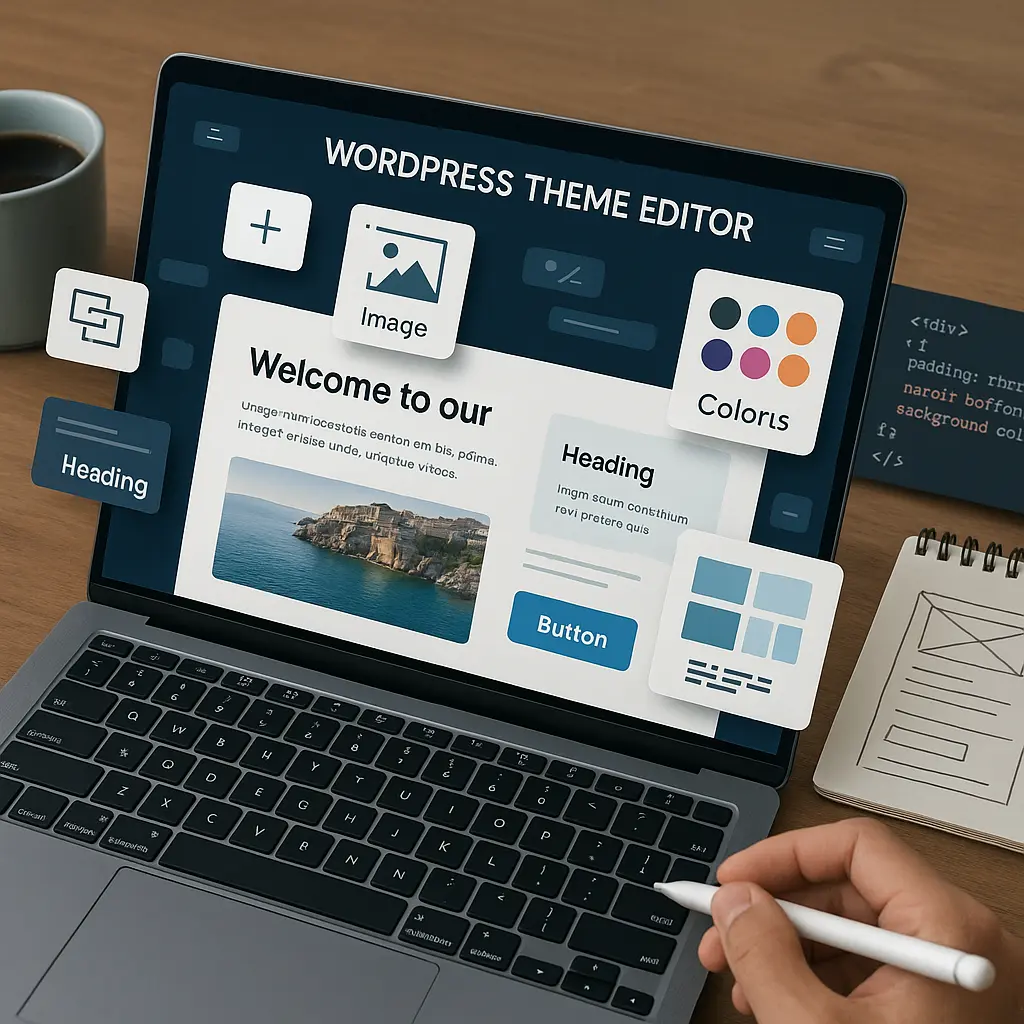
For web developers and designers, web templates are a goldmine. Millions of websites are created each month, and designers and developers are always in need of new, stylish, and user-friendly themes for WordPress, Shopify, Squarespace, and Webflow.
Templates and themes are examples of pre-coded designs and structures that can be modified and customized. From uncluttered blog designs to Shopify stores that encourage sales, quality design continues to be in high demand.
Template categories are often made up of:
- Themes for WordPress blogs
- eCommerce storefronts for Shopify
- Portfolios for freelance creatives
- Kits for creating landing pages
- Layouts for email newsletters
- Templates for business presentations
Focusing on these categories gives you:
- A blog or online content platform
- Coaching or consulting business
- eCommerce business
- Freelancing services or an Agency
- Planning or photography for weddings
Other Requirements
- Important digital item (charges anywhere from $30 to $300, or more)
- Ideal for digital product services
- Earn passive income from sales
- High opportunity for purchase customization
- Encouraged to provide support and customization
Software and sites to focus on:
- Webflow: Has a drag-and-drop builder and a theme marketplace
- Shopify: ThemeKit for developing and submitting to the Shopify Store
- WordPress: Theme development on Elementor and Gutenberg
- Creative Market, ThemeForest, or TemplateMonster
- Sell unrestricted on Gumroad
- Create UI and prototype kits on Figma or Sketch
Creating and automating the distribution of your ebook in formats like PDF, ePub, or MOBI makes the selling process very simple, even for beginners. Some platforms even help promote your ebook.
Key points:
- Can be done through Google Docs or Canva
- Good for building credibility within your community
- The target audience includes bloggers and coaching professionals
- Can be bundled with other items for sale (such as workbooks).
- Provides evergreen content that sells for years
- Can be offered as lead magnets or paid downloads
Tools and platforms to create and sell ebooks:
- Canva: Design your ebook covers and layout
- Atticus or Scrivener: Ebook writing and formatting tools
- Amazon Kindle Direct Publishing (KDP): Ebook distribution globally
- Gumroad: eBookStore for ebooks and other digital products
- Payhip: sell ebooks and provide secure downloads, affiliate option
- ConvertKit: createan email list and promote your ebook
- BookFunnel: manage and distribute ebook files
6. Mobile Apps or Tools

Digital tools are incredibly profitable because they target specific problems that need to be solved. This phenomenon highlights the great opportunity mobile apps have—with a projected 6.9 billion smartphone users by 2025, the global mobile application industry is ripe for growth.
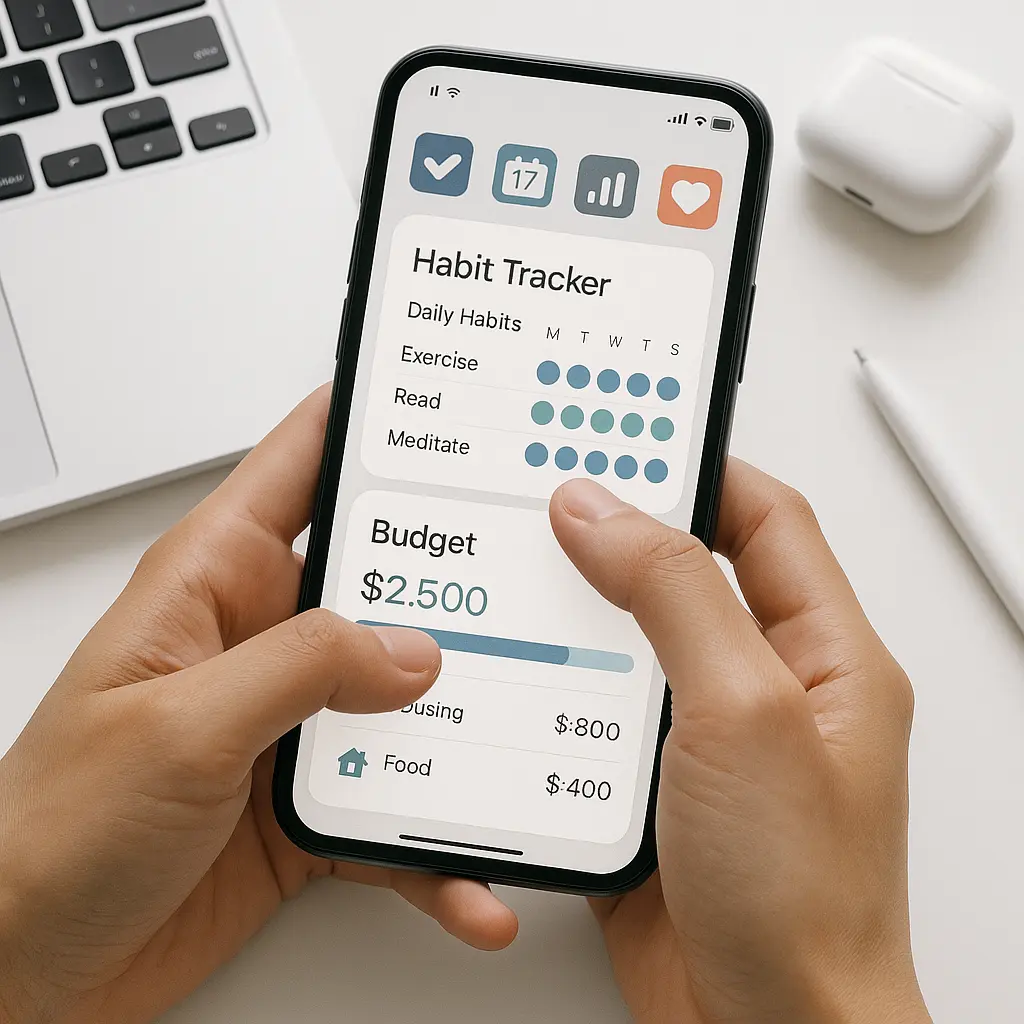
Everything from simple habit trackers to complex productivity tools can be developed as mobile apps. You are not required to be a programmer either, as many no-code platforms allow users to design fully operational apps without coding.
Mobile Digital Tool Examples:
- To-do list or productivity apps
- Finance or budgeting apps
- Fitness or meal planning apps
- Mindfulness and meditation apps
- Educational quiz or flashcard apps
- Habit trackers and mood journals
Niche app ideas:
- Learning languages
- Monitoring pet care
- Tracking reading goals and book logs
- Menstrual or fertility trackers
- Scheduling for parents
Key Points:
- Increased value perception leads to higher pricing.
- Ads, in-app purchases, or subscriptions facilitate monetization.
- Passive income generated from recurring monthly subscriptions.
- Specifically targeted niche problems are excellently catered to.
- Expanding updates boost lifetime user value.
Sale and app creation platforms and tools:
- Glide and Thunkable for no-code app building.
- Low-code: FlutterFlow.
- Google Play and Apple App Stores
- SellMyApp and Gumroad for prebuilt tools.
- Stripe for recurring subscriptions.
Read More:- How to make money through Instagram?

The world of digital art and NFTs offers unmatched financial and creative possibilities for illustrators and artists. Now that galleries have moved online, artists no longer need to deal with gatekeepers to monetize their art.
Digital artworks can be sold as wallpapers, printable posters, and even as Instagram carousels and coloring books. They can also be sold as collectible NFTs on various blockchain platforms.
Examples of sellable digital art:
- Art you can print out (motivational quotes, illustrations).
- Tarot cards or spiritual artworks.
- Emotes designed for Twitch streamers.
- NFT collectibles or character illustrations.
- Wallpapers for desktops or phones.
Top-selling niches in digital art:
- Minimalist or boho style prints.
- Fantasy and sci-fi art.
- Affirmation or spiritual themes.
- Anime or K-pop fandoms.
- Custom portraits of pets.
Highlights:
- Easy to market and sell (10 print bundles)
- Strong community development and branding opportunities
- Creative pricing and control
- High profit and low cost of production
- NFTs allow for royalties in secondary sales
Tools and platforms to use:
- Art creation: Procreate, Photoshop, or Illustrator.
- Art prints: Etsy, Gumroad, or Creative Market.
- NFTs: OpenSea, Rarible, or Foundation.
- Beginner-friendly digital art creation: Canva.
- NFT minting with low fees: Tezos blockchain.
8. Audio Tracks and Music Beats

The market for audio content is plentiful, with YouTube creators, podcast editors, game developers, and indie filmmakers continuously in demand for royalty-free music and sound effects. If you’re an audio engineer or musician, you can take advantage of this digital product niche.
Selling opportunities comprise music loops, full-length tracks, ambient music, intros and outros, sound effects, and jingles for podcasts.
Categories of digital audio products:
- Background soundtrack for vlogs: lo-fi styles
- Audio for meditation or sleep
- Instrumental beats for rap artists
- Intro kits for royalty-free podcasts
- Packs of ASMR sounds
Most profitable business niches:
- Creators on YouTube
- Fitness Coaches (HIIT music timers)
- Developers of games
- Audiobook and podcast makers
- Creators of online courses
Keynotes:
- Albums can include multiple songs or be sold individually.
- Passive income through a license model
- Alter for other uses (sample packs)
- A diverse market and appealing
- Customers who buy often purchase from the same artist, and tend to return
Marketplace and Tools
- AudioJungle and Pond5 for marketing
- Epidemic Sound and Pond5
- Selling to artists on BeatStars
- Selling directly on Bandcamp and Sellfy
- Sample pack sales on splice
9. Selling Video Stuff and Stock Wikis

For content creators and vloggers, selling stock videos is a great way to make a profit. With the rise of video content on social media, ads, and websites, there is now a significantly higher demand for quality stock clips.
Included in the stock videos are b-roll clips, time lapses, drone shots, slow-motion products, and slow-motion lifestyle products.
Types of sought-after stock footage:
- Drone videos of nature and landscape.
- Coworking and office spaces.
- Time-lapse footage of cities and traffic.
- Travel visuals and tourism.
- Close-up of hands and products.
Focus niches
- Vloggers and YouTube creators.
- Trainers of corporates.
- Social media advertisement creators.
- Documentary filmmakers.
- Advertisers and agencies.
Key points:
- Sell Videos for $30 to $200.
- Good videos Have High Demand.
- You Can Make Seasonal Packs for Holidays.
- Editing Later Makes Filming Easier.
- Saleable Videos Can Be Made from Basic Equipment.
Top Platforms to Sell Video Footage
- Vimeo stock.
- Sellfy and Gumroad for personal sites.
- Blackbox (distributes to multiple platforms).
- Artgrid and Motion Array.
- Fotolia and Pond5.
- Videohive and Shutterstock.
10. Software and SaaS Products

SaaS software is a digitally based asset with recurring revenue. Whether it is an analytics dashboard or a grammar tool, a software tool that solves a real-world problem is profitable.
While these digital products take time and a high level of technical competency, the payoffs can be tremendous.
Digital Software Product Examples:
- Add-ons for Chrome
- Finance and budget estimation tools
- Specialized analytic dashboards
- Automation tools for businesses
- Specialized tools for productivity
Niche Product Suggestions:
- Real estate prospect management
- Generator for freelance submissions
- Local SEO assessment tools
- Podcast scheduling and planning tool
- Content brainstorming tools
Summary:
- Recurring revenue through monthly or yearly subscriptions
- Significant return on investment after launching the product
- Very useful for professionals and businesses
- Partnerships for affiliate marketing can be easily formed
- Trust and authority for the brand can be easily established
Suggested Tools and Services:
- No-Code SaaS builders like Bubble.io and Softr
- Developers may use Firebase and React
- For payment and delivery, use Gumroad and LemonSqueezy
- For early launch sales, use AppSumo
- For billing and license management, use Paddle or Stripe, or similar services
11. Career Kits and Resume Templates

In the modern job market, standing out from the crowd is key; as a result, professionally crafted resumes can have a significant impact. Because of this, job seekers are often more than willing to invest in timeless career kits and resume templates.
To make self-customization easy, these templates are typically available in Google Docs, Word, or Canva, and are therefore easily editable.
What can be included:
- Job application documents like CVs and cover letters
- Checklists for refining LinkedIn profiles
- Guides for preparing for interviews
- Templates for branding and portfolios
- Email sequencing for follow-up correspondence
Target audience for resumé products:
- Current students and those newly graduated from university
- Creative career changers or parents re-entering the workforce
- Freelance and remote job professionals
- Designers, writers, and other creative professionals
- Technology sector professionals, including developers and data analysts
Key highlights:
- Content can be based on client submissions for modern, sleek designs.
- Bundling career development documents into comprehensive kits is straightforward.
- Templates and designs can be resold after updates each year.
- Ideal for upselling or cross-selling to career coaches and job search bloggers.
- High competition, low effort search terms for ranking include “modern resume template.”
Suggested tools and platforms:
- Canva or Microsoft Word for template creation.
- Selling on Etsy, Creative Market, or Gumroad.
- Promoting free versions through Notion pages and Linktree.
- Hosting career mini courses on Teachable or Thinkific.
12. Social Media Content Kits
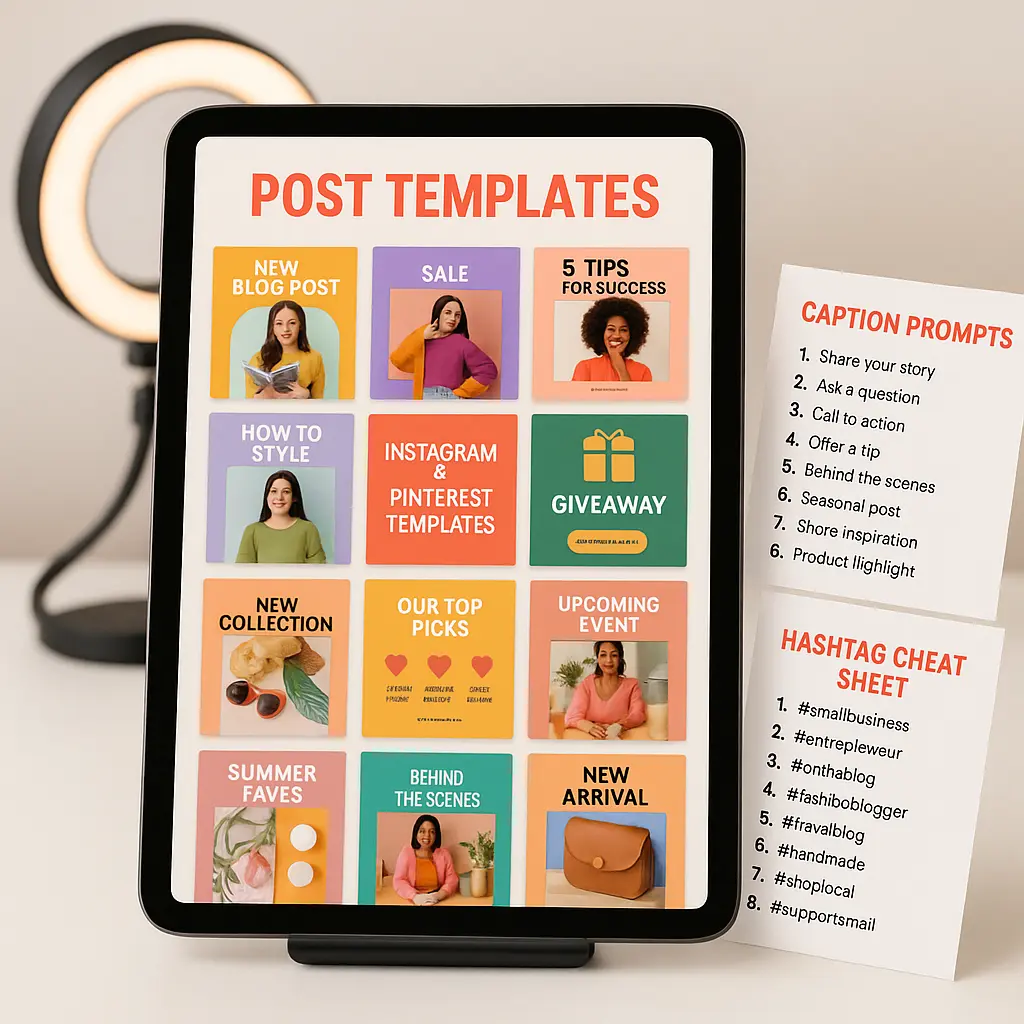
Targeting small business owners, coaches, influencers, and other entrepreneurs, social media content kits are designed to be time-saving, high-quality, and consistent. For those in need of these types of content, the kits serve as a goldmine, and they are extremely simple to use.
These digital kits typically contain editable templates, caption prompts, hashtag lists, and content calendars, along with guides on brand aesthetics.
Items for sale:
- Instagram post and story update designs
- Pinterest pin creation templates
- Facebook advertisement designs
- Scripts for TikTok videos
- Content calendars for each month
Possible customers:
- Agents in real estate
- Life coaching professionals
- Personal fitness trainers
- Sellers of handmade goods
- Influencer and blogging community
Special features:
- Remarkable perceived value, yet the cost of creation is minimal
- Simple to upsell on subscriptions and memberships to content on a monthly basis
- Excellent method to acquire B2B clientele
- Unlimited niches and seasonal trends to explore
- Can be combined with sales copy kits or email templates for enhanced value
Can be used with:
- Notion or Airtable for the provision of calendars and checklists
- Etsy, Payhip, or Podia for the sale of kits
- Email services like ConvertKit for selling via lead magnets
- Canva Pro to create templates.
13. Email marketing templates
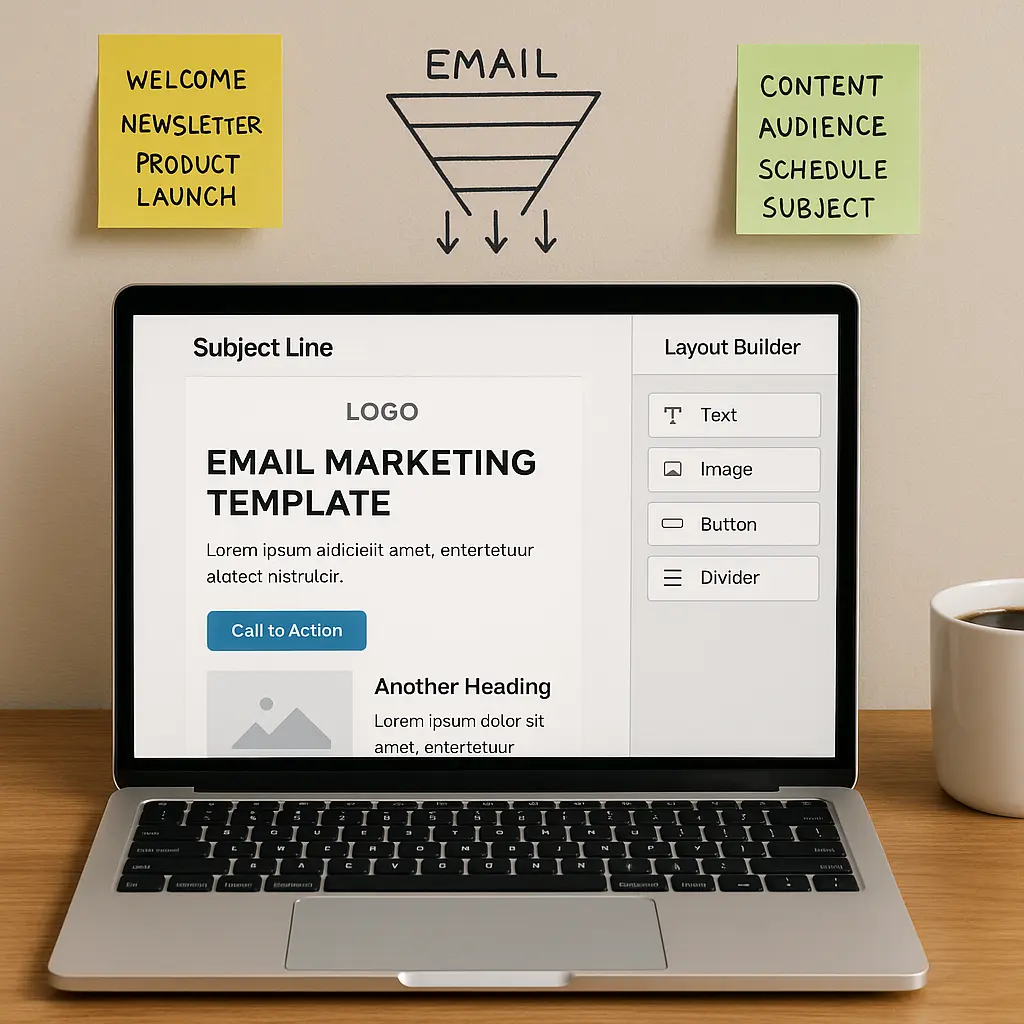
Emails remain a core revenue-generating driver for businesses, yet many lack the skills to author a compelling and impactful email. Email marketing templates address this gap.
You can create and sell campaign sequences and emails, which include pre-written emails and emails crafted for specific sequences that a business or individual can upload onto their autoresponders/broadcasts.
Types of email templates you can offer:
- Welcome sequences
- Abandoned cart emails
- Newsletter templates
- Product launch sequences
- Affiliate or promotional emails
Best niches to target:
- eCommerce stores
- Course creators
- Bloggers and content creators
- Coaches and consultants
- B2B service providers
Highlights:
- Simple to create in Google Docs or Notion
- Can be repurposed across different platforms
- Appeals to marketers and solopreneurs alike
- Easy to sell as bundles or build into email strategy packages
- Works well with affiliate partnerships
Tools and Selling platforms:
- Notion, Docs, or Airtable for content delivery
- ConvertKit, MailerLite, or Flodesk for demo use
- Gumroad or SendOwl for sales and downloads
- ThriveCart or Leadpages for funnel selling
14. Icon and Font Packs
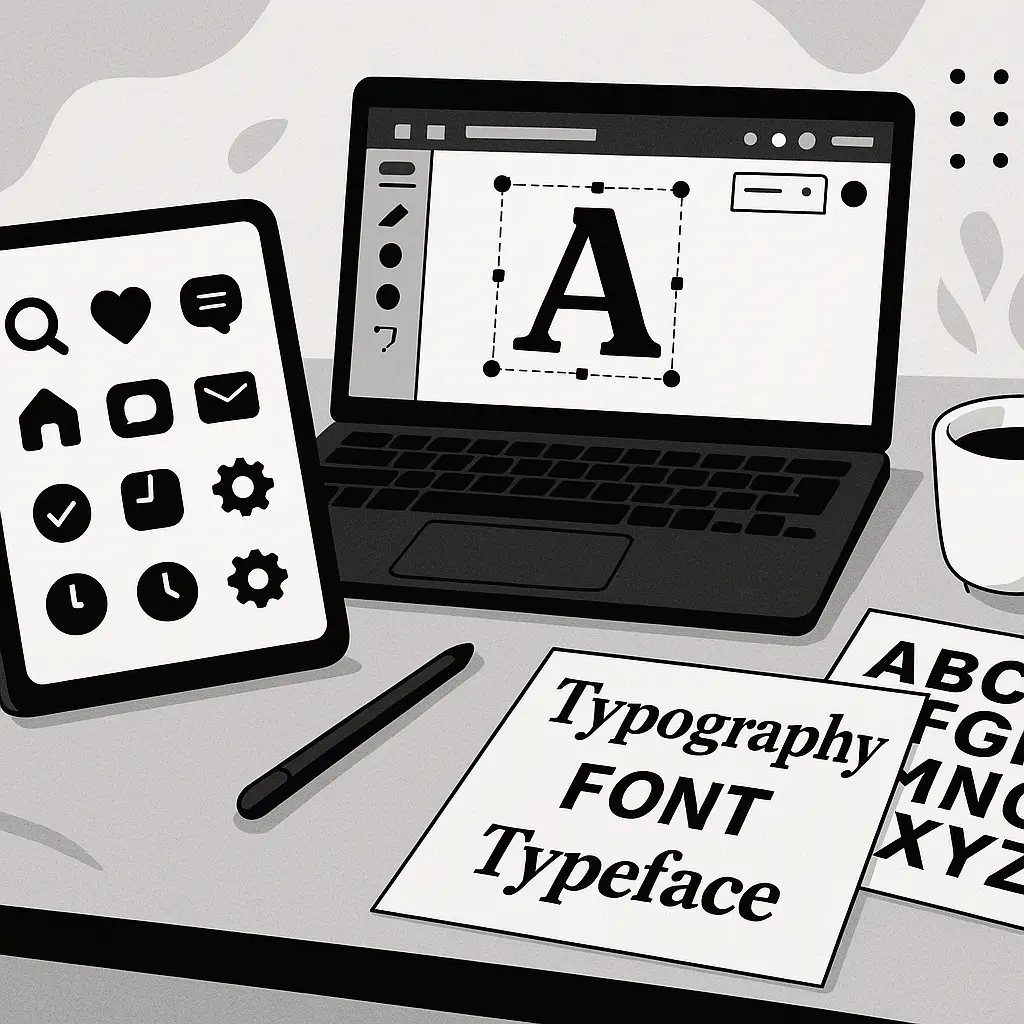
Many businesses, website developers, and designers are always on the lookout for custom icon and font packs to make their content visually appealing. If you have some skill and eye for design, creating custom icons and fonts can earn you some excellent passive income.
Product Ideas:
- Create calligraphy or handwritten-style fonts.
- Design modern sans-serif or script fonts.
- Create business icon sets.
- Create social media icons.
- Design mobile UI or website interface packs.
Trends:
- Wedding and invitation design.
- Bloggers and content creators.
- App and web developer.
- Brand designer or YouTuber.
Key takeaways:
- Potential profit for more custom work.
- Create once, sell for all.
- They can be sold separately or in themed collections.
- SEO and Pinterest.
- Personal and marketplace sites.
Recommended tools and sites:
- Fontself, Glyphs app for font creation.
- social media and marketing tools
- eCommerce sites: Shopify or WooCommerce.
- Creative Market, FontBundles, and Envato.
- illustrators and ex-Dribble for recognition.
- social media and marketing tools.
15. Paid Newsletters and Subscriptions

The rise of online newsletters is remarkable. Many creators are earning incredible sums, often in the six-figure range, on platforms like Substack. Now is the best moment to transform your knowledge, opinions, or expertise into a newsletter and start monetizing it.
Instead of maintaining a free blog, numerous creators are now providing premium content delivered via emails, including weekly tips, market insights, educational pieces, or even serialized stories as entertainment.
Categories of Paid Newsletters:
- Niche-based investment advice (cryptocurrency, real estate, stocks)
- Prompt-based writing and journaling exercises
- Insights about certain industries (AI, tech, marketing, etc.)
- Health, wellness, and fitness tips
- Personal finance and budgeting advice
Best performing niches:
- Founder of startups
- Author and other professional writers
- Fitness and nutrition specialists
- Technology aficionados
- Life coaches focusing on personal development and mind management
Key Takeaways:
- Earn recurring revenue from subscriptions received on a monthly or annual basis
- Minimal investment required, only content creation and email services
- Business model easily integrates with digital goods, coaching, or other digital templates
- Foster a devoted community of subscribers who pay
- Establishes you as a leading authority in your niche
Available platforms and other tools
- Substack: Simple and starts free
- Beehiiv: Monetized newsletter publishing
- ConvertKit: Excellent for gated newsletters and automation sequences
- Patreon: Content and community in one
- Ghost: Paid newsletters, blogs, and membership sites consolidated
Creating and selling digital products will be one of the best means of passive income in the year 2025. These products, once created, will enable you to earn money even while you are asleep. With the appropriate tools, marketing strategies, and niche, it would not take long to build your digital empire.
Start with small projects. Test your concepts. Make improvements over time. The best part is that digital products tend to grow with you.
FAQs
1. Can I sell digital products without a website?
Definitely. Etsy, Gumroad, and Substack are places where you can sell without having your own website.
2. How much money can I make from digital products?
It varies a lot. Some get a few hundred dollars, while others reach six figures. It really depends on the niche, quality of the products, and promotion.
3. Do I need to be an expert to create a course or ebook?
Not an expert. Just someone who knows a little more than the audience and can explain the concepts.
4. Are there free tools to help me create digital products?
Of course. Starting with Canva, Google Docs, Audacity, and Notion are wonderful free options.
5. How do I handle refunds or piracy issues?
Don’t worry. Just have clear terms of engagement and DRM tools where necessary. Most paying customers are nice people who want to be of help and are willing to support you. Just make it easy for them to trust you and offer great service.